As a trusted local auto repair shop with many long-time customers, we often get questions about various vehicle components and their maintenance. One common question we encounter is: "How do brake rotors get damaged?"
Brake repairs can feel daunting— and we understand why. Brakes are a critical safety component of your vehicle, and repairs to this system can be a more expensive investment. That’s why understanding the causes of brake rotor damage —and how you can get the most life out of the brakes you have today— is crucial for maintaining your vehicle's safety and performance. In this article, we'll explore the common causes of brake rotor damage and provide tips on how to prevent repairs.
What Are Brake Rotors?
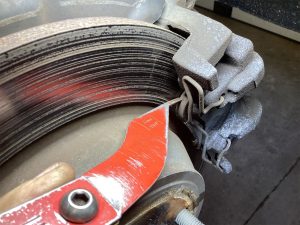
Brake rotors, also known as brake discs, are an integral piece of your vehicle's braking system. They’re connected to the car’s wheel hub or axle assembly and work with the brake pads to slow down or stop your car. When you apply the brakes, the pads clamp down on the rotors, creating friction that slows the vehicle. Given their crucial role, keeping brake rotors in good condition is essential for safe driving.
Common Causes of Brake Rotor Damage
1. Overheating
One of the primary causes of brake rotor damage is overheating. When you brake, the friction generates heat. If you brake too hard or too frequently, especially during high-speed highway driving or while towing heavy loads, the excessive heat that braking generates can cause the rotors to warp. Warped rotors can, in turn, lead to uneven braking, vibration, noise, and other issues.
2. Brake Pad Issues: Worn-out or poor-quality brake pads can significantly damage brake rotors. If the brake pads are too old or too worn down, the metal backing can come into contact with the rotor, causing grooves and scoring. If the brake pads aren't replaced in a timely fashion once this happens, the rotor surface can become uneven— and your brakes may squeak, squeal, or grind when coming to a stop.
3. Corrosion and Rust: Like any metal component on your car, brake rotors are susceptible to corrosion and rust. This is especially true in areas with high humidity or where road salt is used during winter. Unfortunately for your brakes, rust can weaken the rotor's structural integrity. Over time, this can lead to decreased braking performance and potential failure.
4. Improper Installation: Incorrect installation of brake components can lead to rotor damage. If the brake pads are not aligned correctly or if the rotors are not properly mounted, it can cause uneven wear and tear. This misalignment often results in premature rotor damage.
5. Driving Habits: Aggressive driving habits, such as frequent hard braking or riding the brakes downhill, can accelerate rotor wear. Smooth, gradual braking helps maintain the rotors in good condition and extends their lifespan.
6. Debris and Contaminants: Road debris, dirt, and other contaminants can get lodged between the brake pad and rotor, causing scratches and surface damage. Regular cleaning and maintenance can help prevent this type of damage.
Preventing Brake Rotor Damage
The best way to prevent brake rotor damage is to schedule routine inspections and maintenance of your braking system. Your mechanic should regularly check the condition of your brake pads and rotors, and replace them as needed. This helps catch any potential issues before they become serious problems.
In addition to regular maintenance, you can:
- Opt For Quality Parts: Always use high-quality brake pads and rotors. Cheap or inferior parts can wear out quickly and cause more damage to your braking system.
- Don't Try To DIY It: Ensure that brake components are installed correctly by a professional mechanic. Proper alignment and installation can prevent premature wear and rotor damage.
- Ensure Your Driving Smoothly: Give the car in front of you plenty of space to avoid sudden stops and try to avoid hard braking whenever possible. You can also use engine braking on long downhill stretches to reduce the load on your brakes.
- Regularly Clean Your Car's Undercarriage: A key part of preventing rust is keeping your brake rotors clean. Washing your car regularly, especially the undercarriage where the wheels and braking system live, can prevent dirt and grime from causing damage.
Understand How Brake Rotors Get Damaged With Brake Service At V&F Auto
Understanding how brake rotors get damaged is crucial for maintaining your vehicle's braking performance and safety. By recognizing the common causes of rotor damage and taking proactive steps to prevent it, you can ensure that your brakes function effectively and last longer.
If your brakes sound a little noisy or don’t quite feel “right,” visit us at V&F Auto for a professional inspection. Our team offers repair and maintenance services for:
- Brake pads
- Brake lines and hoses
- Drum and rotor replacement
- Brake rotors
- Brake calipers
- Hydraulics
- Master cylinder and booster
- ABS diagnosis and repair
Our certified technicians will inspect your braking system for urgent performance issues today— and let you know if there are issues you should monitor for an upcoming repair service. Call us at (413)314-2280
or schedule an appointment online.