
Uneven Tire Wear: Signs and Symptoms
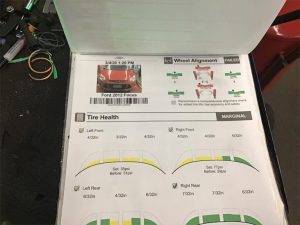
Up next in our tire series: signs of uneven wear. Uneven tire wear can be caused by a variety of things, and it's often sneakier than you might think. In this article, we'll share a few of the most common culprits and how you can address them.
Overinflation or Underinflation
Maintaining proper tire inflation is critical to tire health. If the center of the tire is starting more quickly than the edges, the tire is likely overinflated; if both outer edges are wearing faster, it's likely underinflated. You can find the proper tire pressure for your vehicle by looking at the sticker typically found in the doorjamb on the driver's side or in the owner’s manual, according to Edmunds. Adjust the tire pressure accordingly for a smooth, safe ride.Worn Suspension
Diagonal scalloping on the tire, also called “cupping wear,” usually indicates that the suspension is worn or otherwise compromised. From a technical perspective, this is a more serious concern—you’ll probably need to make an appointment with a mechanic immediately.Imbalanced Tires
Patchy wear usually means that the tires are out of balance. If you notice unusual, patchy wear on your tires, you should make an appointment to have your tires spun and rotated, as this can help equalize the wear. As a point of reference, the National Highway Traffic Safety Administration recommends that tires should be spun and rotated every 5,000 miles—but you should always consult your owner’s manual for specific recommendations for your make and model.Tire Maintenance At V&F Auto
Uneven tire wear can cost you hundreds in repairs if not addressed quickly. V&F Auto has been serving the Western Mass community since 1988. As a family-owned and operated business, we treat our customers like family. Whether you're looking for a new set of tires or searching for your next family vehicle, our team will go above and beyond to meet your needs. Call us at (413)314-2280 or schedule an appointment online.