
What Causes An Oil Leak? | V&F Auto Inc

What Causes An Oil Leak?
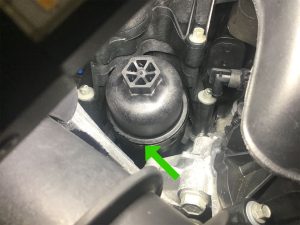
causes oil leakAn oil leak can pose serious dangers, risking extensive engine damage and compromised vehicle safety. As oil levels diminish due to leaks, vital engine components suffer accelerated wear, leading to potential breakdowns and costly repairs. Reduced lubrication hampers engine efficiency, diminishing fuel economy and escalating fuel consumption. Overheating becomes a looming threat, further amplifying the risk of engine failure. Timely detection and addressing of oil leaks are imperative to safeguard engine performance, maintain fuel efficiency, and prevent environmentally detrimental consequences. Here are a few of the most common causes of an oil leak:

Common Causes of an Oil Leak

An oil leak in a car engine can occur due to various reasons. Here are some common causes: Worn Gaskets and Seals: Over time, the gaskets and seals in an engine can degrade or wear out. This can lead to oil leaks around components such as the valve cover, oil pan, or camshaft seals. Loose or Damaged Oil Drain Plug: The oil drain plug is a bolt at the bottom of the oil pan that is used to drain the oil during an oil change. If the drain plug is loose or damaged, it can result in an oil leak. Cracked Oil Pan: The oil pan is a metal container located underneath the engine that holds the oil. If the oil pan is damaged or cracked, it can lead to oil leakage. Faulty Oil Filter: A damaged or improperly installed oil filter can cause oil to leak. If the oil filter seal is not properly seated, it can result in a leak around the filter. Damaged Engine Components: Components such as the engine block, cylinder head, or oil cooler can develop cracks or damage, leading to oil leaks. Excessive Oil Pressure: Extremely high oil pressure can cause gaskets and seals to fail, resulting in oil leaks. Overfilled Oil Level: Adding too much oil during an oil change can cause excessive pressure within the engine, leading to leaks. Aging Hoses and Lines: Rubber hoses and lines that transport oil throughout the engine can deteriorate over time, causing leaks.

How to Check for Leaks

To check for engine oil leaks, keep a close eye on your oil dipstick. Be sure to check when the engine is cool, preferably after the engine has been sitting overnight. If you see the level dropping over time, that’s a good indication that you’re losing oil. You can also see if blue smoke is coming from the tailpipe while driving or if you smell burning oil. This indicates that oil might be leaking into the engine or onto hot components of the engine, respectively. Another thing drivers should look for is the classic oil stain under the engine compartment, especially if it’s been sitting overnight. An easy way to spot stains is to put newspaper or tin foil under your car overnight and see if there are any stains on it in the morning. Brown liquid usually indicates an engine oil leak, red is usually transmission fluid, and green or orange is typically coolant. For more information on diagnosing leaks, check out last week’s article on Read More: How do I check my car for an oil leak?

At V&F

It's important to address oil leaks promptly, as low oil levels can lead to engine damage and decreased performance. Regular maintenance, including checking for leaks and replacing worn-out gaskets and seals, can help prevent oil leaks in a car engine. If you notice an oil leak, it's advisable to consult with a mechanic to identify and fix the root cause. Call us today at (413) 314-2280 or schedule an appointment online.

Written by Kate Bergeron