
What to Do About a Power Steering Leak: Causes, Symptoms, and Repairs
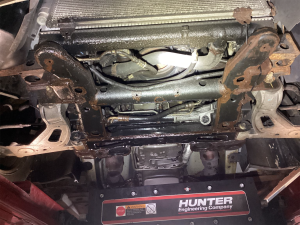 The power steering system plays a crucial role in making your vehicle easy to steer, but many drivers don’t think about it until something goes wrong. When a power steering leak does occur, it can lead to harder steering, potential damage, and even complete system failure if not addressed promptly.
In this article, we'll walk you through how the power steering system works, what causes leaks, and how to identify and fix them to keep your car running smoothly.
The power steering system plays a crucial role in making your vehicle easy to steer, but many drivers don’t think about it until something goes wrong. When a power steering leak does occur, it can lead to harder steering, potential damage, and even complete system failure if not addressed promptly.
In this article, we'll walk you through how the power steering system works, what causes leaks, and how to identify and fix them to keep your car running smoothly.
Understanding How Power Steering Works
Modern hydraulic power steering systems are designed to make driving easier by reducing the effort needed to turn the wheels. The system uses a pump to pressurize fluid, which provides the hydraulic force necessary for smooth steering. Depending on your vehicle, the mechanism might include a steering gear or a rack-and-pinion assembly. These systems are generally reliable and require minimal maintenance. However, when a leak occurs, the symptoms can escalate quickly, making it critical to identify and resolve the issue as soon as possible.Common Causes of Leaks
Power steering leaks typically occur in three main areas: the pump, hoses, or the steering gear. Let’s explore each in detail.The Power Steering Pump
The power steering pump is a common source of leaks. Over time, the seals around the pump shaft—where it connects to the pulley—can wear out, allowing fluid to escape. Signs of a leaking pump:- Fluid dripping from behind the pump pulley.
- Low power steering fluid levels.
- Whining or groaning noises when turning the steering wheel.
Hoses and Tubing
The hoses and tubing that carry power steering fluid are another frequent culprit. These components endure constant pressure, heat, and vibration, which can lead to leaks over time. Signs of a leaking hose or tubing:- Fluid seeping or dripping at connection points.
- Visible cracks or wear on rubber hoses.
- Puddles of fluid under your car after it’s parked.
The Steering Gear or Rack
The steering gear or rack-and-pinion assembly is another area prone to leaks, especially since it’s exposed to dirt, road debris, and fluctuating temperatures. Over time, seals in these components can degrade, leading to fluid loss. Signs of a leaking steering gear:- Difficulty turning the wheel, especially at low speeds.
- Fluid pooling around the steering rack.
- Uneven or jerky steering response.
Detecting a Power Steering Leak
Identifying a power steering leak early can save you from more extensive damage down the road. Here are a few things to look for:- Low fluid levels: If the power steering reservoir is low, a leak is likely the cause. You may need to manually check the fluid reservoir, but many modern cars have sensors that alert you to a potential issue with an error light on the dashboard (the power steering light).
- Unusual noises: Whining or groaning sounds when turning often indicate a fluid shortage caused by a leak.
- Fluid stains: Power steering fluid is typically red or amber with an oily texture. Pay close attention when pulling out of your garage or driveway. If you notice anything unusual, check for stains or puddles under your car.
Why Addressing a Power Steering Leak is Important
A power steering leak might seem insignificant at first, but addressing it quickly is crucial. Neglecting a power steering leak can lead to huge issues down the line, including:- Pump damage: Operating the system with low fluid can cause the pump to overheat and fail.
- Difficulty Steering : A power steering leak can make steering harder and more dangerous.
At V&F Auto
While minor leaks can sometimes be fixed by tightening connections or replacing a hose, more complex issues are best handled by professionals. With proper care and timely repairs, your power steering system will continue to provide smooth, effortless handling for years to come. At V&F Auto, our expert mechanics are equipped with advanced diagnostic tools and top-quality CARQUEST parts to get the job done right. Since 1988, our family-owned and operated service center has been providing top-quality auto repair services to Agawam, Feeding Hills, Southwick, West Springfield and the surrounding Massachusetts communities. If your car needs maintenance or repair before this winter season, call us at (413)314-2280 or schedule an appointment online.