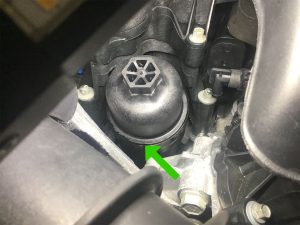
One problem many of our customers encounter is an engine oil leak.
Stains under your car may not seem like a big deal at first but, if not addressed promptly, leaks can lead to serious engine damage. In this comprehensive guide, we'll explore the causes, symptoms, and solutions for engine oil leaks, along with tips on prevention.
What is an Oil Leak?
Oil is a critical fluid for your engine. It lubricates the moving parts, reduces friction, and helps to prevent overheating. An oil leak can compromise these functions, leading to increased wear and tear on the engine components, lower oil levels, and potentially significant engine damage.
Common Causes of Engine Oil Leaks
Understanding the causes of engine oil leaks can help you identify and address the issue before it leads to more severe damage. Here are some common reasons why your engine might be leaking oil:
1. Worn-out Gaskets and Seals: Gaskets and seals are used to prevent oil from escaping the engine. Over time, these components can wear out, crack, or become damaged, leading to leaks.
2. Damaged Oil Pan: The oil pan is located at the bottom of the engine and holds the engine oil. It can be damaged by road debris or rough terrain, causing oil to leak.
3. Loose or Improperly Installed Oil Filter: The oil filter helps remove contaminants from the oil. If it's not installed correctly or is loose, it can cause oil to leak.
4. Faulty Valve Cover Gasket: The valve cover gasket seals the top of the engine and prevents oil from leaking. A damaged or worn-out gasket can lead to oil leaks.
5. Crankshaft or Camshaft Seals: These seals prevent oil from leaking where the crankshaft and camshaft exit the engine. If these seals are damaged, oil can leak from the engine.
6. Oil Drain Plug Issues: The oil drain plug is used to drain old oil during an oil change. If it's not tightened properly or the gasket is worn out, it can cause oil leaks.
Symptoms of an Engine Oil Leak
Recognizing the symptoms of an engine oil leak can help you take action before the problem worsens. Here are some common signs to watch for:
1. Oil Spots Under the Vehicle: Finding oil spots or puddles under your car is a clear indication of an oil leak. If you notice any puddles or stains under your car, especially after it's been parked for a while, see your mechanic right away.
2. Burning Oil Smell: If you smell burning oil, it could be due to oil leaking onto hot engine parts. Pay close attention to any changes in the smells coming from your engine, exhaust, and A/C.
3. Low Oil Levels: Consistently low oil levels can indicate a leak. While you may need to top up your oil every now and then, regular "low oil" alerts are not normal.
4. Engine Overheating: Oil helps regulate engine temperature, so a leak can lead to insufficient lubrication and cause the engine to overheat. If your engine is overheating or flashing a check engine light, see your mechanic right away.
5. Blue Smoke from Exhaust: Pay attention to changes in your
exhaust fumes. Blue smoke from the exhaust pipe can be a sign of burning oil, often due to an internal leak.
Repairing Leaks At V&F Auto
Prevention is always better than cure. Sticking to a set maintenance schedule and regularly checking your oil levels in between services can help you catch leaks early and avoid major repairs.
As a family-owned and operated business, we treat our customers like family. At V&F, our expert mechanics use the latest diagnostic equipment, and high-quality CARQUEST auto parts to make sure we get the job done right. Plus, all of our auto repair services are backed by an industry-leading 3-year / 36,000-mile warranty on parts and labor. Call us at (413)314-2280 or schedule an appointment online.